Memorial Day - More Than a Mattress Sale
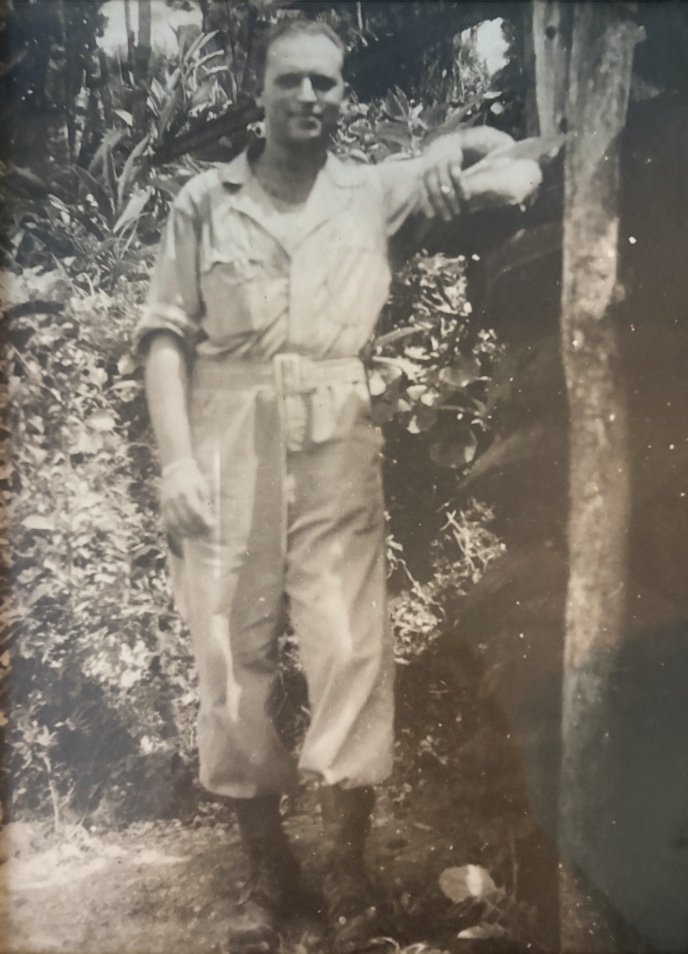
My father, Victor Klein, gone 30 years last week, was a veteran of two wars. Growing up, my understanding of this came mostly through stories of his war buddies, how grateful he was to leave his mother’s house and the dogtags he held on to from the Korean War. Also half of a novel he wrote by hand. A roman a clef, as they say, about a divorced guy who signs up for the army reserves after serving in WWII. A presumably easy gig where one weekend a month you report for military exercises and then one month in the summer you go to army camp. Until he gets the call that his number’s up and he has one week to report to duty. The yellowed pages telling the story, only barely masked as fiction, in my father’s handwriting from his barracks, are haunting.
The most vivid war story I remember him telling was one from his training. They were doing a ropes course between two locations with practice ammunition of some kind. He had a fear of heights so he hesitated and let the guy behind him go ahead. That man’s hand was accidentally blown off. A born storyteller, his feelings of guilt or gratitude, or some combination of both, was palpable decades after the fact.
Not that we sat around telling these stories on Memorial Day. Always kind of a strange holiday because if you really do sit down and reflect on veterans and their service, it just doesn’t scream fireworks, hot dogs and car deals. Even more so this year when war is not something we’re remembering, it’s happening in real time. The loss is profound and has touched most of us to one degree or another. Certainly very hard to find humor in - although the outgoing Stephen Colbert has certainly been giving it the old college try.
For the rest of us, maybe the key is the storytelling piece. Using the day as it was intended. To find the people in your life who have served, or personally remember those who did, and ask questions about their experience.
The whole topic of war is loaded. I don’t even like writing about it for fear of alienating people. Which I never want to do. I do believe there is a way to recognize the holiday without championing war. It’s by asking questions, listening and acknowledging the experiences of those who did service. They’ve earned it.
For sure go to the beach, drink a margarita if that’s your thing and pull out all your white clothes, but also maybe call a family member who served. Ask what they remember, what stayed with them. Or take the time to read one of the many articles that will be published in every newspaper.
I feel compelled to add that Memorial Day isn’t about glorifying war. It’s about taking a pause to acknowledge the humanity of it. It’s not patriotism as performance. It is the willingness to pull up a chair, send a ZOOM link, or simply make a phone call and invite someone affected by war to tell their story. Getting the reality of combat out of the abstract and into our hearts and minds.
Ready to get your dose of laughter?
Discover how Laughter On Call can bring more connection to your team, family, or caregivers.
Read More Stories